What do EV chargers look like in real homes?
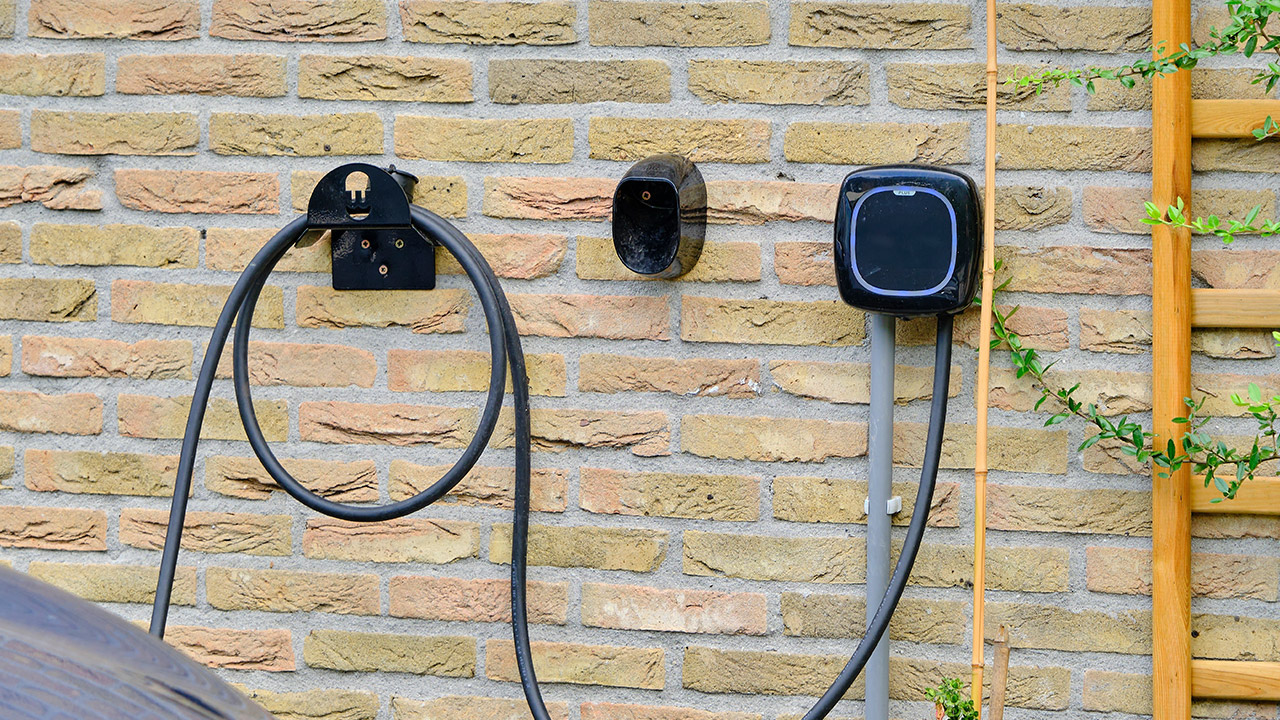
EV home chargers are small, simple wall boxes that usually come in neutral colours, installed near where you park. While research shows that some people have concerns about a charger spoiling the look of their home1, the reality is that they aren’t designed to stand out. They’re designed to be practical and quickly blend in after install.
Around 24% of people think an EV charger would spoil how their home looks1, and a further 38% feel unsure1.
This tells us that the look of an home EV charger is an important consideration for many people, and it could be stopping people making the switch to an electric car.
Part of the problem is that it’s hard to picture how a charger will look in your home. So we’ve taken out the guesswork to bring you real examples from different property types in the UK. Not show homes with picture perfect installs, but normal homes with real charger setups.
What do home EV chargers actually look like?
Most modern home EV chargers are designed to be simple and discrete.
In UK homes, they are typically:
About the size of a small shoebox
Mounted on an external wall
Installed near where you park
Finished in neutral colours like black, white or grey
Generally, you’ll find that chargers are less noticeable than other home fixtures we don’t even notice. Think cameras or security lights.
The reality is that once an EV charger is installed, it quickly blends in rather than stands out.
Wondering how an EV charger might look in your type of home? Let’s take a look.
It can be hard to picture how an EV charger would look on your own type of home.
So, let’s explore real examples of charger installs across the most common UK property types – terraced, semi-detached, detached and flats.
What do EV chargers look like in terraced houses?
Here’s what you can expect from a typical setup in a terraced home:
Mounted at the front of the property
Positioned near the front door or boundary wall
Cable stored neatly when not in use
What it looks like in reality
On terraced homes, space is tighter — so chargers are usually fitted alongside other external fixtures. Visually, they often sit alongside doorbells, meters or outdoor plugs.
Key takeaway
Even on smaller homes, chargers don’t dominate the space — they’re integrated into what’s already there.
What do EV chargers look like in semi-detached houses?
Here’s what you can expect from a typical setup in a semi-detached home:
Installed on a wall beside a driveway
Mounted on the side wall of the house or garage
Positioned for easy access when parking
What it looks like in reality
From the street, chargers are often partially hidden by the car itself or placed just out of direct view.
Key takeaway
In most cases, they’re only noticeable when you’re looking for them.
What do EV chargers look like in detached houses?
Here’s what you can expect from a typical setup in a detached home:
Installed on garages or side walls
Positioned close to the parking area
What it looks like in reality
Detached homes usually offer more flexibility, so chargers can be placed away from the front of the property if preferred.
Key takeaway
Visibility is often a choice — not a limitation.
What do EV chargers look like in flats with shared parking?
Installed in designated parking spaces
Mounted on walls or slimline posts
What it looks like in reality
Here, chargers function like shared infrastructure — similar to lighting or signage in communal areas.
Key takeaway
They’re designed to work within shared spaces without disrupting them.
Considering a home charger but unsure about where to put it?
For most UK installs, practicality is the best place to start. Installers will guide you to make the best choice for your home.
An installer will consider:
Where you park your car
The layout of your home
The shortest safe cable route
This usually results in a clean, low-impact installation — because the simplest place to install will often cause the least disruption.
So… do EV chargers ruin the look of a home?
Now you’ve seen some real examples, it’s hopefully easier to picture how an EV charger might look in your home.
In most cases, it won’t ruin the look — but the concern is understandable, and everyone is different.
When you haven’t seen one in real life, it’s easy to imagine something large or industrial.
But modern chargers aren’t designed to be eyesores. They’re designed to be discrete and blend in as much as possible. And after installation, most people find they stop noticing it.
Over time, it becomes part of the home — in the same way meter boxes, broadband connections, and security lighting have all become standard features.
What it’s like to live with a home EV charger
A home charger quickly becomes part of a routine.
Most people:
Plug in when they get home
Charge overnight
Start the day with a ready-to-drive car
For many households, it’s less of a visible “feature” and more of a practical one — something that supports day-to-day life without needing attention.
The pros of having a charger, like gaining access to smart charging solutions like EV Optimise will likely outweigh any initial worries about the look of it.
Picturing an EV charger in your home
The biggest shift comes when you can picture it on your own home, rather than a showroom. Your wall, your driveway, your street.
Once you’ve seen real examples in real UK homes, the question usually shifts from:
“Will this look out of place?” to “Where would it go?”
Want to find out more about installing a home charger?
We have a range of home EV chargers on our website. As a reminder, when you install an electric car charger with us, at no extra cost you’ll get:
- Up to 7kW charging speed to fully charge your car within 4-8 hours2
- A dynamic load management device installed to ensure safe and efficient charging, preventing your main fuse from tripping
Nationwide hassle-free electric car charger installation by our OZEV approved experts
3-year warranty
1
The research was conducted by Censuswide, among a sample of 2,000 nationally representative UK consumers (aged 18+). The data was collected between 20.02.2026 - 23.02.2026 Censuswide abides by and employs members of the Market Research Society and follows the MRS code of conduct and ESOMAR principles. Censuswide is also a member of the British Polling Council.
2
This is dependant on electricity usage in your property, your car and battery size.
Last updated: 10 June 2026