How to start living greener at home: simple first steps that can make a difference
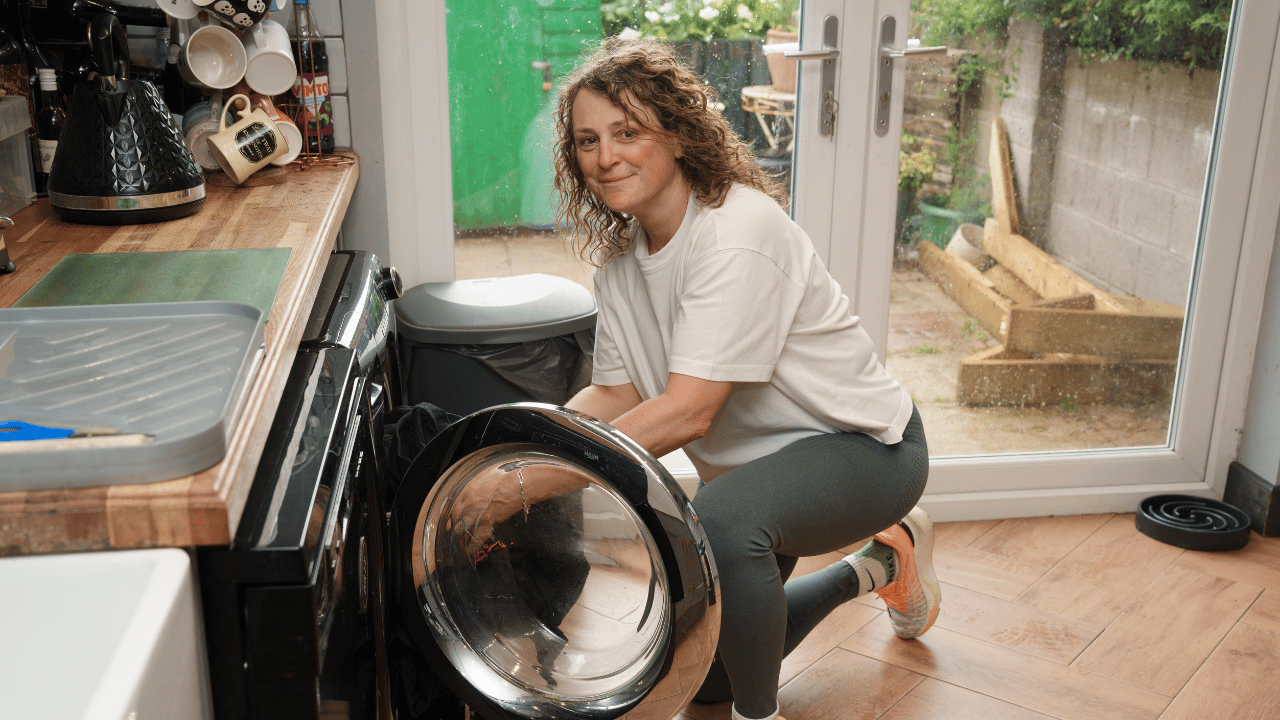
If you want to start making the move to greener living at home, you don’t need to make big changes straight away. The easiest place to begin is with small shifts, like understanding your energy use, using appliances more efficiently, and making small changes to when you use electricity. A smart meter can help you see what energy you’re using and when, and could open the door to options like Power Saver1, which rewards you for shifting your electricity use to times when there’s less demand on the grid and more renewable energy available.
You don’t have to do everything at once
Greener living often sounds like it’s always about big decisions, such as installing solar panels, heat pumps or investing in full home upgrades.
But for most people, that’s not where the journey to greener living actually begins.
As George Clarke’s Great Green Challenge shows, greener living starts with finding small, practical changes that fit around your day-to-day routine, and building from there - because when something feels manageable, you’re often more likely to stick with it.
Why small changes matter more than you think
It’s easy to underestimate how much everyday habits affect your energy use.
Things like how often you run appliances, when you run them, how full they are, or whether devices are left on standby could all make a difference, and these are changes you can make without disrupting how your home runs. You could even automate some of them, so you don’t really need to think about it.
Across a year, those small changes could make a noticeable difference to your energy bills.
Understanding your energy is the turning point
Understanding your energy is the turning point
If small changes are the first step, understanding your energy use is what makes them effective.
A lot of households don’t actually know what’s using the most electricity at home, or when their energy use is highest. That’s where a smart meter can help.
A smart meter automatically records how much energy you’re using and shows it to you in near real time, so you can see what’s happening as it happens.
This could help you spot patterns such as:
when your energy use spikes
which habits cost more than you expected
where small changes make the biggest difference
Having that visibility can often prompt change. Once people can see their energy use clearly, they can start to use energy more efficiently.
How flexible electricity can work around your routine
Once you understand your energy use, the next step isn’t necessarily to use less - it’s to use energy more flexibly.
For many households, this doesn’t require a major lifestyle change. It might simply mean running appliances at a different time or using built-in timers to shift when things switch on.
The good news is, with Power Saver1, you could save by shifting some of your electricity use away from peak times, which are typically 4pm – 8pm, Monday to Friday, when demand is highest as people get home from work or school.
Power Savers get 8 one-hour slots of cheaper electricity2 at selected times throughout the whole week, so they can save on their electricity costs by shifting high-use tasks like cooking, laundry, or running appliances to times when there’s less demand on the grid and more renewable energy available.
And you could get even more opportunities to save by signing up to Power Saver Plus1 in the ScottishPower App. We’ll notify you in real-time to take part in National Grid or ScottishPower events when demand on the grid is high or low.
Over time, those small shifts could make better use of lower-cost electricity and cleaner energy at times when it’s more available on the grid.
And, if you have green tech in your home like a heat pump or solar panels, ScottishPower could help you save money with a smart ‘time-of-use’ tariff, like Heat Pump Saver or Solar Saver.
Heat Pump Saver3 lets you power your heat pump at the lower rate of 14p per kWh between 11am and 4pm4 every day, while Solar Saver5 gives you a lower rate of 20p per kWh between 7pm and 9am4, so you can keep saving when the sun goes down.
A real-world starting point
Across the Great Green Challenge, the focus is always on real households taking realistic steps.
That often starts with something simple: getting a better view of energy use and making one or two small changes off the back of it.
A good place to start is by getting a smart meter and signing up to Power Saver1, so you can choose cheaper electricity2 slots that work around your routine, shift your electricity use, and save money on your energy bills while you do it.
What you might consider next
Once you’ve made a few changes and feel more confident, you’re in a much better position to decide what comes next.
For some households, that might be exploring a time-of-use tariff that works alongside your green tech. Others might start looking at things like electric vehicle charging or home upgrades further down the line.
The key thing is that those decisions can become easier once you’ve already taken the first step.
Where to start
If you’re thinking about how to begin, keep it simple.
Start by paying a bit more attention to how you use energy at home. Think about what you could adjust without disrupting your routine.
From there, tools like smart meters can help you build a clearer picture, and small changes can start to feel more purposeful when you sign up to initiatives like Power Saver.
Because greener living doesn’t come down to one big decision. You make small changes over time.
A note on home across the UK
From households in Wales to homes across Scotland and England, the starting point is often the same. Not a major upgrade, but a shift in awareness: understanding your energy, making a few small changes, and building from there.
1
To be part of Power Saver events, you must be an electricity customer with an online account, a communicating smart meter and consent to sharing half-hourly readings with us. Exclusions apply. See Power Saver Terms and Conditions. Our Power Saver Offer events are part of our Power Saver service. Eligibility, exclusions and Terms and Conditions apply.
2
Electricity used will be charged at your normal unit rate, and you will later have your bill, or meter if you are a PAYG customer, credited for the energy used during your chosen slots. Each day is divided into hourly slots, with a 50% or 20% discount rating applied to selected slots (50% slots are available 98 hours per week, 20% slots are available 50 hours per week). Credit is calculated depending on the rating of your chosen slots (excluding VAT) and appears as ‘Power Saver Credit’ on your bill or statement. Your daily standing charge will be charged at your normal rate. Eligibility criteria, exclusions, and T&Cs apply.
3
To be eligible for our Heat Pump Saver tariff, you must be a ScottishPower electricity customer, have a communicating smart meter that sends half-hourly readings and pay by monthly Direct Debit. Exclusions and T&Cs apply. www.scottishpower.co.uk/heat-pump-tariff
4
These timings are based on Greenwich Mean Time (GMT). However, during British Summer Time (BST), the time periods will change on selected SMETS1 meters to reflect the new time zone. BST runs from the last Sunday in March to the last Sunday in October.
5
To be eligible for our Solar Saver tariff, you must be a ScottishPower electricity customer, have a communicating smart meter that sends half-hourly readings and pay by monthly Direct Debit. Exclusions and T&Cs apply. www.scottishpower.co.uk/solar-tariff.
Last updated: 22 July 2026