How can solar panels help when energy prices are uncertain?
Why is energy so uncertain at the moment?
The energy market operates on a global scale, which means it is often influenced by uncertainty. Events and conflicts in other parts of the world can disrupt the availability of international energy supplies, and this can directly affect the prices we all pay — not only here in the UK, but across the globe. We’re seeing this now, with international tensions driving instability in global markets.
When global supply levels are disrupted, the knock‑on effects are quickly felt closer to home. This can show up through rising inflation, higher fuel prices, and growing concern among households about what it might mean for their own energy bills. These pressures create volatility in both energy supply and pricing, ultimately influencing what we all end up paying at home.
What does this mean for households in the UK?
Global events don’t just influence energy markets, they can shape the wider cost of living too. For many households, that can make everyday expenses feel harder to predict and plan for. When prices change with little warning, confidence in monthly budgets can take a knock. Some households will feel the effects quicker and to a larger extent than others.
It’s why more people are looking for simple ways to steady their outgoings and feel a bit more in control — whether that’s understanding their energy use better, planning ahead, or finding small changes that could help make bills more manageable.
Can households do anything to take more control over their energy?
Yes, of course they can, and it doesn’t have to start with big changes. For many households, taking control begins with small, practical steps that can help lower bills and make energy use feel more manageable.
Simple actions like switching to LED light bulbs, improving insulation, or being more mindful of when energy is used can all add up over time.
Using tools that help households understand their energy use, such as our Energy Insights tool, or taking part in schemes like Power Saver, which rewards customers for shifting electricity use to quieter times on the grid, through slots that they choose, can also help people feel more in control of their costs.
From there, some households choose to take things a step further. Installing technologies such as solar panels, battery storage, or in some cases air source heat pumps.
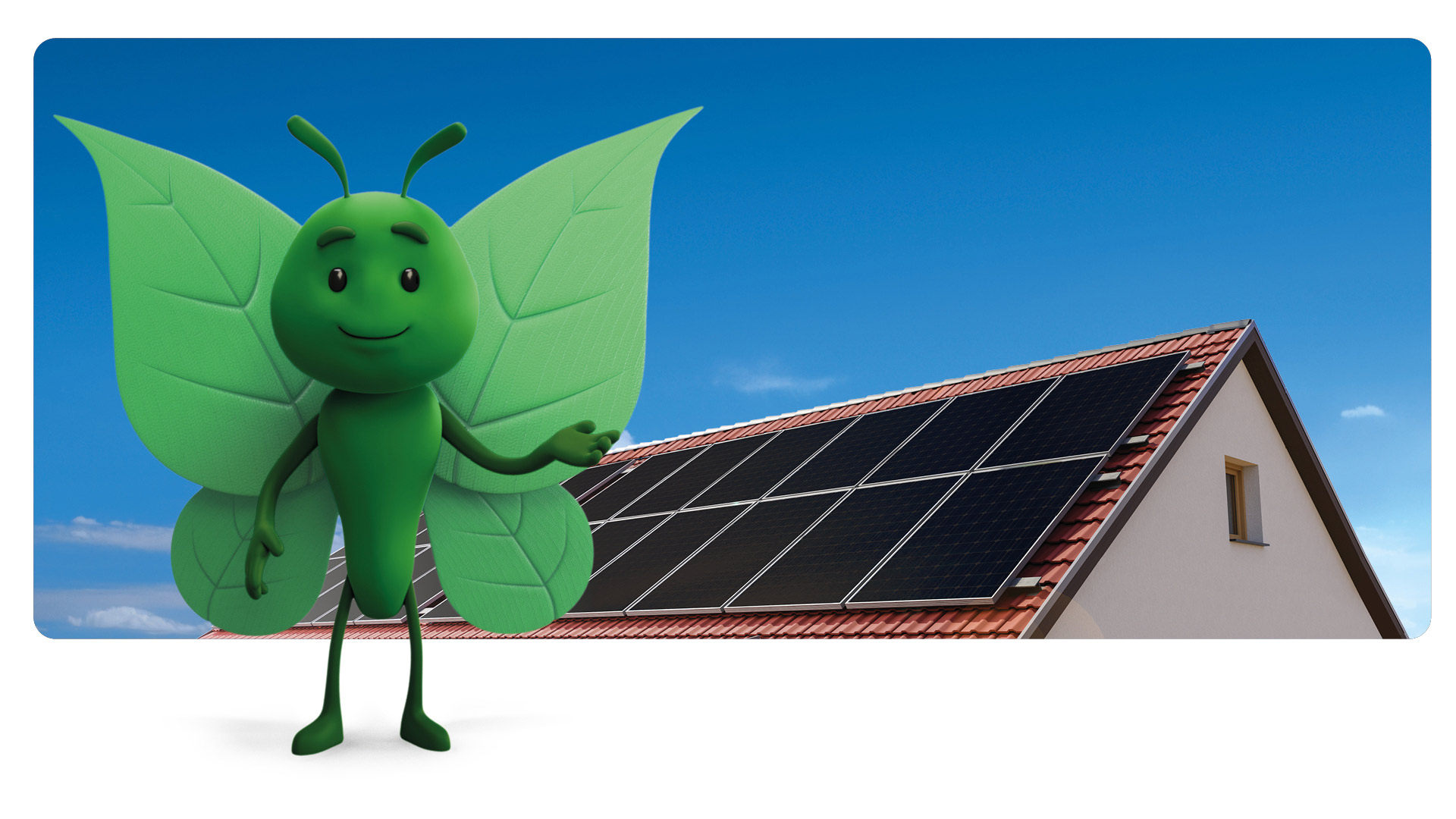
Solar panels for example allow homeowners to generate electricity and then use that electricity to power their home. This reduces reliance on the grid and can be a meaningful step toward greater energy independence, while also helping protect against future price uncertainty.
Any excess electricity generated can be exported back to the grid, with households receiving a payment for the energy they supply. Taken together, these options give people more choice, whether they’re looking for small ways to reduce bills today, or longer‑term solutions that put more control in their hands.¹
Why are more people considering solar?
Solar offers something many households value right now: consistency and control. By generating their own green electricity at home, people could reduce their exposure to market fluctuations and enjoy more predictable energy costs. The benefits of solar can be maximised by making the most out of the energy produced by using a battery to store any excess energy for later use.
How can ScottishPower help with solar panels?
The journey into solar can feel a little complex, but it doesn’t need to be. We support customers through the full journey, from checking their home’s suitability to installation and ongoing guidance and import and export tariffs. Our aim is to make the switch to solar as smooth and reassuring as possible. The starting point is to simply go to scottishpower.co.uk/solar or give our team a call on 0800 634 0066 between 9am-5pm Monday to Friday.
Related/Useful Links
¹ Our solar panels start from £4960. Price is based on a 4 Panel "Electrify" package (on-roof) in Central England, fitting to concrete tiles (not slate), single elevation of scaffold, with single-phase electrics, and no complexities, for example installing about a conservatory or digging trenching required for electrics.
Last updated: 6 May 2026